
Voado Medical Mall is a duly registered private enterprise, strategically birthed to empower healthcare delivery, assuring patients that diagnostic and therapeutic tools will be made available for them for the first time in Ghana and the West Africa sub-region, improving their health and saving the lives of millions of people.
The Voado Medical Mall is a project under the umbrella of the Wonder Medical World, which is going to sit on a 30-acre land in the International Airport City, Accra, the capital city of Ghana. It will have all necessary facilities and amenities to provide high-quality healthcare services under one roof, hence saving millions of lives. The other projects of this Medical World are:
- A Smart Quaternary International Teaching and Referral Hospital with an apart-hotel
- Neuroscience Center of Excellence
- Medical School
- Research Center
- Pharmaceutical Plant Center
- Educational Complex
- Retail and Commercial Facilities
This proposal seeks to achieve extraordinary improvements in human health by providing a medical mall with a comprehensive range of medical specialties, diagnostic services, and a well-stocked pharmacy. It will house all medical specialties and will be staffed by highly skilled and experienced medical professionals. The medical mall will be located in Accra, the capital of Ghana– an area home to over 55% of top medical professionals in Ghana.
Voado Medical Mall is a multi-specialty medical center where various health services are offered under one roof. This concept is designed to provide convenience to patients. It will be a one-stop-shop healthcare mall where patients can access a variety of services by bringing together a wide range of healthcare providers, including multi-specialty doctors' offices, the best-stocked Pharmacy in the sub-region with drugs, medical and surgical supplies, and some essential grocery items, cutting edge imaging center, unparalleled pathology laboratory services, a Day Surgery Center, Cancer Treatment Center, Dialysis, Dental Care, Rehabilitation Center with Physiotherapy, Occupational Therapy, Speech Therapy, Reflexology, Wellness Centers, and Fitness Facilities. Our Medical Mall is set to become the first-ever healthcare facility of this kind in our sub-region. This model of healthcare delivery is designed to provide convenience for patients, improve coordination of care, and potentially reduce healthcare costs. It avoids crisscrossing town in search of different medical services which will now be under one roof. Also, it will prevent having the patients’ samples sent abroad or they themselves going abroad because those tools are either broken in the health facilities or non-existing in our country.
With your collaboration, we seek to provide quality healthcare that will make a difference by improving the health of the people of Ghana and Africa at large.
This will be the first time ever a project of its type is launched in Ghana and West Africa, and it is expected to emerge as the health tourism facility in the sub-region. As a result of this, the wealthy, the influential, corporate bodies, and other organizations are flocking abroad to solve their health issues. Some who are middle-class members of society or are sponsored by the wealthy to go abroad do complain about the additional air ticket that needs to be purchased for their families to India and South Africa. Let us not talk about Europe and North America where the cost of healthcare is exorbitant if you don’t carry a good international private health insurance. Foreign health tourism does not allow patients to recover in the emotional company of their family members and friends. Corporate organizations and government agencies are increasingly covering their workers with private health insurance, and we could positively tap into that for the sustainability of revenue. In the private sector, we shall not have paralleled competitors if our product strives to be affordably competitive.
As the experience becomes successful in Ghana, we will extend our tentacles to disseminate to the entire continent of Africa where, except for South Africa and some few North African countries, healthcare delivery in general, including hospitals, diagnostic tests, and pharmacies operate at the lowest levels in the world. The payment capacity of individuals in most African countries is on the increase as most economies develop to enter the lower middle-class range. African economies are among the fastest growing in the world. Today, the continent is poised to transform the global economic landscape. Annual growth is expected to average 7% over the next 20 years.
We are proposing to your organization to have a joint venture with us to help solve the deficiencies in healthcare delivery and medical research not only in Ghana but also in Africa as a whole, starting from Ghana.
Investing in healthcare has proven to be highly profitable, with a median IRR of 27.3% for deals done from 2011-2021. Despite various economic challenges, private healthcare equity has remained strong in 2023. The returns from healthcare investments have outpaced other industries, including technology and media/telecom.
The sustainability strategies for the mall include revenue generation through various services, forming partnerships with other healthcare entities, seeking government support, fundraising and donations, implementing cost management strategies, engaging in research and development, and offering training programs.
With this collaboration, your organization will leave a legacy and will forever be remembered in the annals of history for the good they have done to elevate the quality of healthcare in Ghana and Africa as a whole.
The Board of Directors of the Voado Medical Mall, led by Dr. Emmanuel Yao Voado, MD., the Founder, with the astute collaboration with your organization, will select the Management Committee that will oversee the day-to-day administration of the medical mall.
OUR MISSION
To provide quality healthcare that will make a difference by improving the health of the people of Ghana and the world at large.
OUR VISION
To be the world's preferred place for healthcare delivery.
Ghana is located in West Africa and borders Burkina Faso, Côte d’Ivoire, and Togo, occupying a total area of 238,533 square kilometers. Ghana’s population is estimated at approximately 34.8 million people, with projections indicating it will reach around 35 million by 2025.
The population of West Africa is estimated at about 468 million people as of 2025, making it one of the most populous and fastest-growing regions in the world.
Ghana, like many African countries, still faces significant public health challenges. The life expectancy at birth is approximately 65–66 years as of 2025, reflecting gradual improvements over previous decades but remaining lower than the global average. The leading causes of death, as per the World Health Organization, are highlighted below:
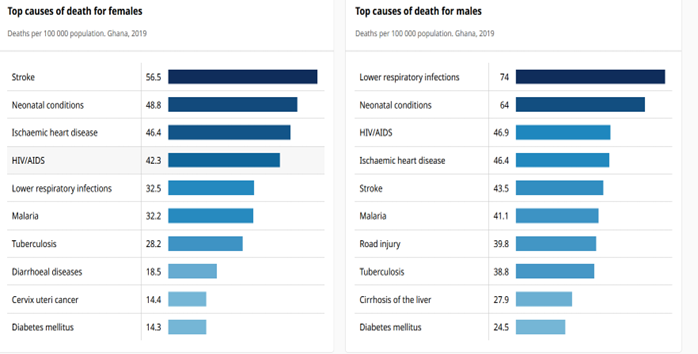
Figure 1 Leading Causes of Death- Ghana (Courtesy WHO Data)
Based on this data, it’s therefore critical for the region to invest in advanced medical diagnostic equipment and attract top specialists to address these leading causes of deaths in the country and the sub region.
Ghana, like many African countries in the ECOWAS region and indeed Sub-Sahara Africa, opt to travel to other destinations to seek advanced medical interventions. Among the leading destinations for “Medical Tourism” are South Africa, India and Turkey, with the following factors identified as driving these trends:
- Affordability – Most advanced medical services in India are fairly affordable compared to other destinations such as the United States and UK
- Accessibility – Accessibility to latest technologies such as Cyberknife robotic surgery and Tomotherapy
- Accreditation – Our mall will be accredited by the Joint International Commission (JCI), National Accreditation Board for Hospitals & Healthcare Providers (NABH), and ISO
- Ease of Travel/Visa – Since Ghana is part of the ECOWAS bloc, we don't need a visa to travel within the sub-region. This enhances the ease of travel to our medical mall, which is close to the International Airport City in Accra.
- Immediate Medical Attention – Even though all the healthcare services are under one roof, we will streamline the care so that the waiting time to access our services is minimal
It is the above enablers that shall form the core of operations at Redeem Medical Mall
Africa is the second-largest continent in the world, after Asia, both in land area and population. The continent covers approximately 30.37 million square kilometres (11.73 million square miles), representing about 20% of the Earth's total land area.
Africa is bordered by:
-
The Mediterranean Sea to the north
-
The Suez Canal and the Red Sea to the northeast
-
The Indian Ocean to the southeast
-
The Atlantic Ocean to the west
The continent also includes Madagascar, the fourth-largest island in the world, as well as numerous island nations and archipelagos.
Africa’s population is estimated at about 1.48–1.50 billion people in 2025, accounting for roughly 17–18% of the global population. Africa has the youngest population of any continent, with approximately 60% of Africans under the age of 25 and a median age of about 19.7 years. Urbanisation is increasing rapidly, with about 44% of Africans now living in urban areas.
This youthful demographic structure provides Africa with a powerful demographic dividend, giving the continent enormous potential for long-term economic expansion, innovation, and industrial growth. With a rapidly expanding workforce, Africa is well positioned to become one of the most dynamic economic regions of the 21st century.
Algeria is the largest country in Africa by land area, while Nigeria is the most populous country on the continent.
Africa, particularly East Africa, is widely considered the birthplace of humanity. Fossil discoveries of early hominids and their ancestors dating back over 6–7 million years have been found in countries such as Ethiopia, Kenya, and Tanzania, providing important evidence of early human evolution.
History
Africa has one of the world’s oldest recorded histories. Around 3300 BC, written historical records began in Northern Africa with the rise of literacy in the Pharaonic civilization of Ancient Egypt.
Ancient Egypt became one of the earliest and longest-lasting civilizations in human history, influencing surrounding regions culturally, politically, and economically for thousands of years. The Egyptian state continued to flourish until 343 BC, when it was conquered by the Persians, later becoming part of the Greek and Roman empires.
Across the continent, numerous powerful civilizations later emerged, including:
-
The Kingdom of Kush
-
The Aksumite Empire
-
The Ghana Empire
-
The Mali Empire
-
The Songhai Empire
-
The Great Zimbabwe civilization
These societies developed extensive trade networks linking Africa to Europe, the Middle East, and Asia, facilitating the exchange of goods, knowledge, and culture.
Climate
Africa straddles the equator, making it the only continent that extends from the northern temperate zone to the southern temperate zone.
As a result, the continent contains a wide range of climatic regions, including:
-
Tropical rainforest climates in Central Africa
-
Savanna grasslands across much of East and Southern Africa
-
Semi-arid Sahel regions between the desert and savanna
-
Desert climates in the Sahara Desert and Namib Desert
Africa is often described as the hottest continent on Earth, and approximately 60% of the continent’s land area consists of drylands and deserts. The Sahara Desert in North Africa is the largest hot desert in the world.
Politics
Africa currently consists of 54 internationally recognized sovereign countries, making it the continent with the largest number of independent states.
In addition, there are:
-
Several dependent territories
-
A few partially recognized or disputed states
Africa also includes several island nations located in surrounding oceans.
Indian Ocean islands
-
Union of the Comoros
-
Republic of Madagascar
-
Republic of Seychelles
-
Republic of Mauritius
Atlantic Ocean islands
-
Republic of Cape Verde
-
São Tomé and Príncipe
Most African countries operate as republics, typically under presidential or semi-presidential systems of government.
Over the past two decades, many African countries have implemented political reforms, improved governance structures, and economic liberalization, attracting significant foreign investment. Much of this investment has come from China, the United States, the European Union, and Gulf countries, contributing to infrastructure development and economic expansion across the continent.
Natural Resources
Africa is one of the richest continents in terms of natural resources. The continent holds significant shares of global mineral reserves, including:
-
Approximately 70–75% of the world’s cobalt
-
Over 90% of global platinum reserves
-
About 50% of global gold reserves
-
Nearly 98% of chromium reserves
-
Over 60% of global manganese reserves
Large deposits of uranium, diamonds, and rare earth minerals are also found across the continent.
The Democratic Republic of the Congo possesses about 70% of the world’s coltan reserves, a mineral essential for producing electronic components used in smartphones and computers. The country also holds more than one-third of the world’s diamond reserves.
Meanwhile, Guinea holds the largest bauxite reserves in the world, making it a key supplier to the global aluminium industry.
Economy
Africa has experienced significant economic transformation in recent decades. Since the early 2000s, many African economies have maintained steady economic growth driven by services, natural resources, infrastructure development, and expanding consumer markets.
The continent’s combined GDP is estimated at over $3 trillion, making Africa one of the fastest-growing economic regions globally.
Sub-Saharan Africa’s economic growth averaged around 3.6% in 2024, with projections suggesting continued growth in the coming years.
Several African countries consistently rank among the fastest-growing economies in the world, including:
-
Ethiopia
-
Rwanda
-
Côte d’Ivoire
-
Senegal
-
Tanzania
-
Ghana
-
Benin
-
Niger
-
Uganda
-
Kenya
Africa’s rapid population growth, urbanisation, expanding middle class, and increasing adoption of digital technologies are contributing to the continent’s economic transformation.
Development Potential
Africa’s youthful population creates enormous opportunities for economic expansion. With 60% of the population under the age of 25, the continent has the potential to develop a powerful workforce capable of driving industrialization, entrepreneurship, and technological innovation.
Major development potentials include:
-
A large and growing labour force capable of driving industrial production
-
Rapid urbanisation and expansion of consumer markets
-
Vast agricultural potential, including approximately 60% of the world’s uncultivated arable land
-
Enormous renewable energy potential, especially solar, wind, hydro, and geothermal energy
-
Rapid technology adoption and digital innovation
-
Expanding continental trade under the African Continental Free Trade Area (AfCFTA)
-
Growing creative industries and digital economies
-
Increasing diaspora investment and remittance flows
These factors position Africa as a continent with unprecedented long-term growth potential.
Economic Challenges
Despite these opportunities, many African economies still face structural challenges, including:
-
High unemployment rates
-
Limited industrialisation
-
Infrastructure deficits
-
Income inequality
-
Persistent poverty in some regions
Much of Africa’s economic growth in recent decades has been driven by services rather than manufacturing or agriculture, which has sometimes resulted in economic growth without sufficient job creation.
Nevertheless, Africa’s young population, abundant natural resources, expanding markets, and growing technology sector provide strong potential for sustained economic development and global economic influence in the decades ahead.
Dr Emmanuel Yao Voado, MD – Founder & CEO, Redeem Medical Mall:
Dr. Emmanuel Yao Voado is the founder and CEO of Wonder Medical World and the Cosmopolitan Aid Foundation, bringing decades of cutting-edge experience in the medical field. Born in 1971 to a Christian family of limited resources in Tefle, Volta Region, Ghana, he always aspired to break the backbone of poverty through education. At the age of 12, he received a prophecy that he would go abroad to further his education. In 1985, at age 14, this prophecy was fulfilled, although with challenges. After taking the exams to send students to Cuba, he placed first in his municipality but was unjustly replaced by the son of the most powerful politician there. A concerned citizen intervened, taking him to the office of the late President of Ghana, Jerry John Rawlings, which allowed him to participate in the national test, where he again placed first.
Dr. Voado studied in Cuba for 17 years, progressing from junior high school to becoming a medical doctor 29 years ago and a neurosurgeon 25 years ago. Throughout his education, he consistently graduated summa cum laude. He authored a book on Organic Chemistry at the end of his senior high school in Cuba, where he excelled in chemistry quizzes among students from 36 countries. At the conclusion of his neurosurgical training in Cuba, he wrote a book on spinal surgery titled "Lumbar Discopathies."
Upon completing his neurosurgical course in 2001, Dr. Voado was invited to work in Belize as the country's first local neurosurgeon for five years, during which no surgical mortality cases were reported under his care. His notable achievements in Belize included performing spinal microscopic surgeries on the longest-serving Prime Minister of Belize and the daughter of the Father of the Nation of Belize.
Currently, Dr. Voado is focused on making groundbreaking discoveries in neurosurgery to improve the prognosis of conditions such as spinal cord and brain injuries, brain tumors, and spinal degenerative disc diseases. Under the mentorship of Dr. Robert Grossman, a renowned neurosurgeon, he served as a Clinical Research Specialist, authoring several research papers presented at international conferences of the Congress of Neurological Surgeons of America.
In Ghana, he co-led the team that separated the Bansah conjoined twins and is part of the team executing many groundbreaking surgeries in West Africa, including the highly publicized awake brain surgeries.
Dr. Voado was deeply touched by the spirit of selflessness of the Cubans and Americans and this shaped his world view in the subconscious level till he came to the conscious realization that a meaningful life is not being rich, being popular, being highly educated or being perfect...It is about being real, being humble, being able to share ourselves and touch the lives of others. It is only then that we could have a full, happy and contented life. He returned home after 28 years to give back to his people in the medical field, especially, Neurological Surgery and philanthropic efforts, aiming to alleviate the struggles of the helpless, destitute, orphans, vulnerable children, widows and their children, the elderly, the mentally and physically disabled, including the deaf and blind, students, patients, and the public at large through the Cosmopolitan Aid Foundation, a non-profit organization.
With the booming economy, health care delivery which is one of the faces of economic growth needs to improve in Ghana. When those who have the resources need to get medical care, they go to South Africa, India, America and other developed countries because there is no facility in the West African sub region which has an appreciable level of quality health care.
Considered a regional model for political and economic reform, Ghana has to appear as a flag bearer of health care delivery not only for its people but also for West Africa as many patients from the sub region flock to Ghana looking for a better medical care. Meanwhile, Ghana itself does not have facilities like those in the developed countries and the countries with emerging economies.
Why the need for a Medical Mall? Simply because our West African neighbors still come to Ghana for medical care.
The healthcare delivery atmosphere in Ghana sees patients crisscrossing from one healthcare facility to another without completing the process of healthcare delivery from diagnosis to treatment. The following is the typical description of healthcare delivery in Ghana.
A patient visits his/her doctor at the doctor's office in a given healthcare facility. The patient then leaves that healthcare facility to go to another one for imaging diagnostics. Next, the patient goes to another healthcare facility to undergo a laboratory test before finally returning to the doctor's office for the doctor to confirm his initial diagnostic impression. If it is a surgical disease, the surgery is performed in another facility if the previous one cannot handle that surgery. Afterward, a sample is taken for histopathology to determine the nature of the lesion to see if it is benign or malignant (cancer). Usually, this sample is sent abroad. After approximately 2 weeks or longer of the doctor and the patient waiting for the pathology result, the results are finally ready. If it is a malignant condition, the patient is referred for radiotherapy or chemotherapy at another center, either locally or abroad. In both surgical and non-surgical diagnoses, the patient may have to go to a pharmacy outside the doctor's office if the prescribed medication is not available at that facility.
The benefits of this medical mall include:
- Convenience: Patients can access a variety of medical services, including doctors, specialists, diagnostic services, pharmacies, and wellness centers, all in one location.
- Collaboration: Healthcare providers in a medical mall can collaborate more easily, leading to improved coordination of care for patients.
- Accessibility: Medical malls are typically located in easily accessible areas with ample parking, making it convenient for patients to visit multiple healthcare providers in one trip.
- Comprehensive care: Patients can receive a broad range of healthcare services within a medical mall, ensuring comprehensive and integrated care.
- Patient experience: Medical malls are designed to provide a pleasant and comfortable environment for patients, enhancing their overall healthcare experience.
- Saving Time & Cost of Transportation: Saving time and the cost of transportation of patients as a result of their crisscrossing towns, cities and countries.
- Work Absentism/Excuse Duty: It reduces the loss of working hours due to excuse duties giving to patients to be absent from work.
- Samples sent offshore: The private clinics/hospitals and other medical laboratories in the country are not interested in investing in all available laboratory tests because it is not profitable for them as they argue that there are not many patients demanding for them and they would run at a loss when they invest in the equipment and the reagent. Because of this, when a doctor sees a patient who needs one of these unusual tests they have to send the sample to South Africa for diagnosis, sometimes two weeks before the patient is definitely treated. In cases where blood, stool, urine, or pathology samples are sent abroad, issues can arise during transportation if the prescribed climatic conditions are not adhered to. This could lead to the spoiling of the samples and potentially faulty results.
If it were a condition that needs prompt medical attention, then the patient’s hope of recovering without disabilities is in jeopardy. This is true for a patient with brain aneurysm who needs angiographic test which can also treat him/her by coiling through the same angiography by an Interventional Radiologist or a Vascular Neurosurgeon. This condition has claimed the lives of many or rendered them neurologically disabled.
DNA test was not done in Ghana but rather in South Africa, it was few months ago that the SSNIT Hospital brought DNA equipment to Ghana. We know the importance of this test in modern criminology and the resolution of many social and family conflicts. Running a DNA test in a medical mall can be important for several reasons:
- Convenience: Patients can easily access DNA testing services along with other medical services in one location, saving time and effort.
- Coordination of Care: Results from DNA testing can be quickly shared with healthcare providers in the same medical mall, leading to more coordinated and efficient care.
- Accessibility: Having DNA testing available in a medical mall can make this valuable diagnostic tool more accessible to a wider range of patients.
- Collaboration: DNA testing facilities in a medical mall can collaborate with other healthcare providers to offer comprehensive genetic counseling and personalized treatment plans.
There are some diagnostic tools that also serve therapeutic purposes, such as endoscopy and angiography, for the treatment of a vast group of diseases. In this part of the world, these diseases are still often treated with open surgery, which prolongs the recovery process. These diagnostic and therapeutic tools are practically nonexistent in Ghana. In cases where they do exist, they are underutilized due to a lack of specialized personnel in the country.
Having all our healthcare needs met locally is the only way we can prevent the outflow of wealthy individuals seeking better healthcare abroad. This is particularly crucial in emergency situations that do not allow for a sufficient waiting period for transfer outside the country.
The efforts to create a strategic plan for training human resources, especially specialists and other allied health workers, either at home or abroad, to meet the challenges the health sector is currently facing or will face in the short or long term, have not yet yielded the expected outcomes. A sustained plan to train a new generation of adequate quality and quantity, who will take over when the current generation retires, does not seem to be producing the expected results.
Some surgical treatments must be performed abroad due to a lack of equipment and/or trained personnel to execute them.
Agents of change, who have undergone training in developed countries, enter the system every year. However, they are either absorbed by the status quo or marginalized to health facilities where they lack the tools to effect change for the benefit of the people. As a result, they often succumb to the status quo, preventing teaching hospitals from experiencing the changes that these new minds could contribute.
Foreign personnel who live and work here, as well as those who visit the region for a short time, require specialized healthcare facilities on par with those in developed countries. This ensures they can live or travel peacefully without the risk of dying from emergency conditions that cannot wait for transfer to specialized centers in developed countries.
The inspiration came from the fact that, for some time now, the people of Ghana and most Sub-Saharan African nations have been seeking healthcare services consolidated under one roof. This would provide all specialties, all medical treatments, and the latest medical equipment, along with readily available medical education facilities to train the new generation of health professionals. Ultimately, this would promote the quality of life, prevent patient deaths, and reduce the need for people to travel abroad in search of standards not available in Ghana.
Therefore, there is a need for a Medical Mall under one roof that will serve to:
- Establish a healthcare facility to improve the delivery of healthcare in Ghana and our West Africa sub-region.
- Establish a healthcare facility that houses multiple medical services under one roof in the concept of a medical mall.
- Remarkably reduce the number of patients traveling abroad.
- Reduce the loss of lives of patients, including foreigners, in cases of emergency conditions which, at the moment, cannot be treated within the borders of Ghana, putting patients’ lives at risk of death by the time they reach a country where treatment is available.
- Provide foreigners, tourists, the diplomatic corps, and corporate bodies with an option for excellent healthcare within Ghana.
- Train health and allied health human resources to help close the current deficit gap in the country.
DESCRIPTION OF THE PROJECT
The Voado Medical Mall is a project under the umbrella of Wonder Medical World, which will occupy a 30-acre plot in the International Airport City, Accra, the capital city of Ghana. It will provide all necessary facilities and amenities to deliver high-quality healthcare services under one roof, potentially saving millions of lives. The other projects of this Medical City include:
- A Smart Quaternary International Teaching and Referral Hospital with an apart-hotel
- Neuroscience Center of Excellence
- Medical School
- Research Center
- Pharmaceutical Plant Center
- Educational Complex
- Retail and Commercial Facilities
The Voado Medical Mall will be a health tourism complex and is expected to be the top health facility in the West Africa sub-region. It will attract patients from West Africa, workers from the USA and other developed countries, United Nations (UN) workers, the diplomatic corps, corporate bodies in the region, and tourists who will come to Ghana to seek medical services only available at our facility in the entire sub-region or in the world.
The vision of the Voado Medical Mall is to welcome doctors from all walks of life, regardless of their country of origin and culture. What will distinguish them is their excellence in providing the highest possible quality of health service. This will create the necessary dynamism for a strong medical team to take off.
The Medical Mall will be located in the International Airport City in Accra, the capital of Ghana– an area home to over 55% of top medical professionals in Ghana.
Voado Medical Mall is a multi-specialty medical center where various health services are offered under one roof. This concept is designed to provide convenience to patients. It will be a one-stop-shop healthcare mall where patients can access a variety of services by bringing together a wide range of healthcare providers, including multi-specialty doctors' offices, the best-stocked pharmacy in the sub-region with drugs, medical and surgical supplies and some essential grocery items, a cutting-edge imaging center, unparalleled pathology laboratory services, a Day Surgery Center, Cancer Treatment Center, Dental Care, Rehabilitation Center with Physiotherapy, Occupational Therapy, Speech Therapy, Reflexology, Wellness Centers, and Fitness Facilities. Our Medical Mall is set to become the first-ever healthcare facility of its kind in our sub-region. This model of healthcare delivery is designed to provide convenience for patients, improve coordination of care, and potentially reduce healthcare costs. It eliminates the need for patients to travel across town for different medical services, which will now be available under one roof. This will be the outline of the components of the Voado Medical Mall:
- Multi-Specialty Doctors' Offices
- Cutting Edge Medical Diagnostics:
- Medical Laboratory
- Pathology Laboratory (to analyze cancer samples)
- Neurophysiological Laboratory (Electroencephalogram (EEG), Evoked Potentials (EPs), Nerve conduction studies (NCS), Electromyography (EMG), Sleep studies equipment)
- Pulmonary Function Tests (Spirometry, Plethysmography)
- Imaging Centre (digital x-ray, fluoroscopy unit, mammography, ultrasonography, endoscopy unit, CT scan, MRI, Cath Lab *remove from Medical City)
- Catheterization Laboratory (Cath Lab)
- Eye Center
- Ear Center
- Dental Department
- Rehabilitation and Wellness Center:
- Physiotherapy
- Occupational Therapy
- Speech Therapy
- Reflexology
- Wellness Centers
- Fitness Facilities
- Dietitians
- Cancer Treatment Center:
- Radiation Therapy Center with:
- Linear Particle Accelerator (LINAC)
- Cobalt-60 units
- Caesium-137 therapy units
- Low to orthovoltage x-ray units
- Brachytherapy
- High dose and low dose rate brachytherapy units
- Conventional brachytherapy units
- Cryosurgery
- Ambulatory Surgery Unit:
- Day Surgical Theaters
- Private ward rooms for 24-hour recovery
- Intensive Care Unit for short recovery
- Dialysis Unit
- Ambulatory Surgery Unit:
Characteristics of the Health Facility
Environmental
- Due to the untouched site on which the primary facility seeks to be established, Voado Medical Mall will take advantage of the local climate for natural ventilation. Air conditioning will also be available so that our clients can choose their preference.
- The Mall will promote wellness concepts and healing environments through landscaping and courtyards.
- We will utilize exterior covered areas to provide additional waiting spaces for families accompanying patients.
- Balconies MUST adhere to strict patient safety, security, and insect control measures.
- The finishes should reflect the culture and social environment of Ghana and the West Africa sub-region.
Sustainability
- Dual plumbing fixtures will be installed so the company can use reclaimed water for certain purposes, such as landscaping or flushing toilets.
- 'Fins' on the exterior facade will allow light to enter while blocking the most intense sunshine. This helps keep the interior temperatures from fluctuating dramatically and also reduces the energy required for heating and cooling.
- Submeters will be installed on nearly every level. There will be multiple meter points in the 'Brain' that facilities managers can use to monitor both electricity and water usage.
- A hybrid system that includes water-cooled chillers and air-source heat pumps will be used. The latter have an efficiency of 300 percent, compared to 90 percent for typical hot water boilers.
- This mall will have dual plumbing systems to support grey water recycling and rainwater harvesting for use in irrigation and firefighting.
- Through our Air-to-Water application, we will harvest water by combining atmospheric humidity, heat, and airflow, producing 40,000 liters per unit, per day. Rainmaker's Air-to-Water units will produce drinking water from air – no other water source is required.
- Solar water heating will be achieved using rooftop-mounted panels.
- Solid waste management will include waste segregation of recyclable material from organic and biohazardous waste.
Access & Egress
- The arrival experience requires special consideration. Entry, public, and patient spaces need to convey a sense of comfort and be welcoming to patients and their families.
- Expedient ambulance arrivals should be incorporated into the design.
- Separate entrances for Accident & Emergency, Clinics, and the Private Wing should be considered.
Security
- Site perimeters and the Mall will be designed with robust security in as unobtrusive a manner as possible.
- Careful attention and controls, including CCTV, should be designed for all entrances and parking areas.
- Radio Frequency Monitoring of infants will be enabled.
Health Professionals
The success of a colossal healthcare complex like the one we aspire to build depends on the quality of its staff. We will hire and train highly experienced doctors, nurses, and support staff who share our vision and values.
There are some specialties which are lacking in Ghana or have very few specialists representing them. The Medical Mall will address these deficiencies through foreign doctors who will fill the initial vacant slots. The mall will also attract Cuban health workers who can now travel freely outside Cuba. The mall will be further reinforced by American doctors who will come to Ghana to treat patients and share their experiences with their colleagues in Ghana. We have retiring and retired doctors of African descent who are willing to give back to Africa by returning on a regular basis or relocating to Africa to spend the latter part of their days in their motherland. This project is designed to attract them. Some doctors will be coming from India, Central and South America, and Eastern Europe.
This facility, the first of its kind in Ghana, will bridge the gap between the inadequacies of the government and private facilities.
Healthcare Delivery
The role of advanced technology and artificial intelligence in our Medical Mall to provide the highest level of healthcare services.
Advanced technology and artificial intelligence will be integrated into the mall's design to provide the highest level of healthcare services. The mall will have a comprehensive IT (Information Technology) infrastructure that supports seamless communication and data sharing between different departments and healthcare professionals, as well as sharing information with other facilities within and outside the mall system.
In this cutting-edge quaternary mall, the IT and AI (Artificial Intelligence) components will be designed to enhance patient care, improve efficiency, and enable advanced medical research. Some specific software components will include electronic health record (EHR) systems, clinical decision support systems, telemedicine platforms, and data analytics tools.
The mall will be equipped with cutting-edge medical devices and equipment, such as robotic surgical systems, advanced imaging technologies, and smart monitoring devices. These technologies will enable precise and efficient diagnosis, treatment, and monitoring of patients.
An electronic health records (EHR) system will streamline patient data management and improve overall efficiency. This system will securely store and manage patient information, allowing healthcare professionals to access patient data in real-time, facilitating accurate and timely decision-making.
Additionally, the mall will have a smart patient management system that utilizes AI algorithms to optimize patient flow and resource allocation. This system will help reduce waiting times, improve efficiency, and enhance the overall patient experience. We will emphasize the implementation of smart devices and Internet of Things (IoT) technology throughout the mall. For example, smart beds can monitor patients' vital signs and adjust accordingly, while IoT-enabled medical equipment can automatically transmit data to healthcare providers for real-time monitoring and analysis.
In terms of hardware, our mall will have a robust and secure IT infrastructure. This will include high-speed internet connectivity, advanced servers, and storage systems to handle the large amount of data generated in a healthcare setting. It will also have a network of interconnected devices and sensors, such as smart beds, wearable devices, and monitoring equipment, to collect real-time patient data.
Additionally, the mall will have advanced imaging and diagnostic equipment, such as MRI machines, CT scanners, and robotic surgical systems, which will be integrated with the IT and AI systems to enable seamless data sharing and analysis.
We will implement the integration of artificial intelligence (AI) algorithms into the mall's operations. AI can assist in diagnosing diseases, predicting patient outcomes, and optimizing treatment plans. This will not only improve patient care but also enhance the mall's overall efficiency and effectiveness.
The EHR system will allow for seamless and secure access to patient information, enabling healthcare providers to make informed decisions and provide personalized care. It will also facilitate communication and collaboration among different departments and healthcare professionals. It will be integrated with a wide range of functional units, including but not limited to:
- A scheduling system to manage appointments and procedures
- A billing system to track patient charges and payments
- A laboratory system to process tests and results
- A pharmacy system to manage medications and supplies
- A dietary system to manage meal planning and nutrition
- A physical therapy system to manage exercise and rehabilitation
- A mental health system to manage counseling and therapy
- A social work system to manage support services and resources
- A legal system to manage contracts and agreements
- A risk management system to manage safety and liability
- A quality management system to manage standards and performance
- A business management system to manage finances and operations
- A human resources system to manage employees and talent
- A marketing system to manage branding and promotion
- A research system to manage studies and development
- A technology system to manage hardware and software
- A security system to manage access and protection
- A maintenance system to manage repairs and upgrades
- A customer service system to manage feedback and complaints
- A call center system
- A patient intake system to assess patient needs
- A patient assessment system to evaluate patient condition
- A patient treatment system to provide medical care
- A patient monitoring system to track patient progress
- A patient discharge system to release patients from the mall
- A patient follow-up system to ensure patient recovery
- A patient referral system to send patients to other healthcare providers
- A patient transportation system to move patients within the mall
- A patient communication system to allow patients to communicate with healthcare providers
- A patient entertainment system to keep patients entertained during their stay
- A patient imaging system to take medical images.
Physical documents will be scanned and incorporated into the EHR so that patient information and other administrative matters will be well preserved for future reference.
The clinical decision support system will use AI algorithms to analyze patient data and provide real-time recommendations for diagnosis and treatment. This will assist healthcare providers in making accurate and evidence-based decisions, thereby reducing errors and improving patient outcomes.
Additionally, we will utilize telemedicine (“healing at a distance”) and remote monitoring systems, which will allow patients to receive care from the comfort of their homes, reducing the need for mall visits. Telemedicine platforms will enable remote consultations and virtual care, allowing patients to receive medical advice and treatment from the comfort of their homes. This will not only improve access to healthcare but also reduce the burden on the mall’s resources. We will also introduce the practice of telemedicine, linking the facilities of the medical cities with each other and our headquarters with sister mega healthcare facilities in the developed world and at the same time with underdeveloped medical facilities in Ghana which will refer patients to our facility in order to improve our health care delivery. We will use technology to televise/videotape surgeries in real time which are done in Ghana to the United States of America and other nations by networking both hospitals so that colleagues with similar or higher expertise in those countries can give us valuable opinions on difficult cases. Other methods of information and communications technology (ICT) will be applied in both surgical and nonsurgical specialties. We will use ICT to make our distant services available to referring medical facilities in Ghana so that before patients with head injury, spinal cord injury, heart attack and stroke come to our Medical Mall, they can coordinate with us and know the appropriate course of action they need to execute initially before referring the patients.
Data analytics tools will be used to analyse large volumes of patient data and identify patterns and trends. This will assist in early detection of diseases, prediction of outcomes, and development of personalized treatment plans. It will also support medical research by providing valuable insights and facilitating collaboration among researchers.
The mall's commitment to data security and privacy is paramount. Robust cybersecurity measures will be implemented to protect patient information (data) and ensure the integrity of its IT infrastructure, enhancing compliance with regulations. It will have robust security measures in place, including encryption, firewalls, and regular vulnerability assessments.
The human resource positions that will be critical to running the IT infrastructure include:
- IT Director: This role involves overseeing the entire IT department and ensuring that the IT infrastructure aligns with the mall's goals and objectives. They are also responsible for managing the IT budget and making strategic decisions regarding technology implementation.
- Network Administrator: This individual is responsible for managing and maintaining the mall's network infrastructure. They ensure that the network is secure, reliable, and efficient. They also troubleshoot network issues and implement network upgrades as needed.
- Systems Administrator: The Systems Administrator is responsible for managing the mall's server infrastructure. They ensure that servers are properly configured, maintained, and updated. They also monitor server performance and troubleshoot any issues that arise.
- Database Administrator: This role involves managing the mall's databases. They ensure that data is properly stored, organized, and secured. They also optimize database performance and troubleshoot any database-related issues.
- IT Support Specialist: This individual provides technical support to mall staff and resolves any IT-related issues they may encounter. They assist with software and hardware installations, troubleshoot computer problems, and provide training to staff on IT systems and applications.
Lastly, we would like to emphasize the potential for cost savings and improved patient outcomes that come with a smart mall. By leveraging advanced technology and AI, the mall can reduce medical errors, optimize resource allocation, and provide personalized care tailored to each patient's needs.
Our strategy is to ensure continuous innovation, direct technology transfer, and incubation of research ideas.
This clear and compelling vision of integrating IT and AI into our ultimate medical mall will revolutionize healthcare delivery, optimize patient care, improve patient outcomes, improve operational efficiency, drive medical innovation, and provide a solid return on investment for potential investors.
Patient experience
Focus on providing exceptional service and personalized care for patients throughout every stage of treatment.
Partnerships
Collaborate with other providers and insurance providers to enhance the quality of patient care and streamline payment processes.
Private Health Insurance Schemes have emerged and have come to stay as the current global economic system has increased their demand. The mall will be a provider for these private health insurances. The rest of the patients will pay out of pocket fully or on payment plans.
Target Group
We target all patients independent of their origin, religion, culture, race, ethnicity and political affiliation who are seeking for solution to health issues.
Location
Finding the right location is critical to the success of any health venture. We have closely studied areas with high demand for healthcare services, convenient access, and sufficient space for the facility.
We will build the first facility at Airport City in Accra, the capital of Ghana. This is where much of the population of the Greater Accra Metropolitan Area lives and where 55% of the doctors, nurses, and other allied health personnel of Ghana are concentrated for easier access to human resources.
We will also extend a smaller branch to Takoradi, in the Western Region of Ghana, a city in the vicinity where the petroleum and mining industries are booming. The petroleum industry will receive this with great pleasure because their workers, many of whom are foreigners, have private health insurance and there is no high-quality mall they can attend for their health needs.
Kumasi, being the second-largest city in Ghana with abundant economic activity, is another city our branches will go to.
To impact the northern half of Ghana, we shall also extend to Tamale, its capital city, to share our healthcare revolution with them.
In the future, a branch of the Voado Medical Mall will be open as a health tourism facility for our international patients at the bank of the beautiful Volta River near Bunase in the Greater Accra Region, which is only an hour's drive from the capital city, Accra. Bunase is going to be the site for the future international airport, which will become the center of West Africa to the world in the travel and pleasure industry. Apart from this huge international airport, there will be an Airport City with skyscrapers of the Dubai style, the seat of the government and all the ministries, an Olympic Stadium among other infrastructures.
This health tourism facility at the bank of the Volta River will be located on the grounds of The Kingdom City, which will be funded under the Cosmopolitan Aid Foundation, a non-profit organization, our philanthropic arm. The Kingdom City is a complex of massive projects through local and outreach programs that will help alleviate the problems of the helpless, the destitute, the orphans and vulnerable children, the widows and their children, the elderly, the mentally disabled, the physically disabled including the deaf and the blind, students, patients, and the public at large. We are acquiring 25,000 acres of land extending from the Volta River to an area behind the future International Airport in Bunase to build The Kingdom City. As coalition builders, in the effort of making our NGO projects become auto-sustainable in the future, we will work cooperatively with all individuals and groups, for-profit and not-for-profit corporations and organizations, with government agencies and international bodies committed to the fight to extend help to the needy. We are presently calling on the aforementioned entities and groups to partner with us to make this achievable dream come to fruition. During this partnership, the profit of the joint venture will be shared between our foundation and our partners so that we can accomplish our mission of helping thousands of vulnerable individuals to make it to stardom.
The Kingdom City will be comprised of:
- Home and school for orphans and vulnerable children
- Center for the empowerment of widows
- School and center for the empowerment of the physically disabled
- Mental Health Center
- Nursing for the elderly
- University
- Hospital
- Shopping Mall
- Chain of Hotels at the river bank and inland
- Museums
- Recreational Centers
- Aquarium
- Zoo
- Amusement parks
- Sports Complex
- Apartments and Hostels for our workers and volunteers
- Chain of offices for commercial use
- Residential Area.
In the future, all the branches will serve as referral sources for the headquarters in cases where patients need more sophisticated investigations or more specialized care, as is the case of some complex cardiothoracic and brain and spinal surgeries.
Implementation Plan
We will get foreign contractors to perform a solid construction at the same level of the developed countries.
Operational Plan
The first of the projects to be built is the one in the Airport City of Accra. It will be built in the heart of Accra, where the population of more than 5.5 million people of the Accra Metropolitan Area are concentrated. We are currently in the process of acquiring at least 30 acres plot in the Airport City of Accra for this purpose.
FUNDING:
Securing adequate funding will be essential to building and maintaining a world-class health complex of this colossal size. We are seeking private investment, partnering with government agencies, and applying for grants to fund construction and operations.
BUDGET:
We have projected about 260 million US dollars for the whole project but it will be completed in phases so that gradually and progressively we can see this dream accomplished with your collaboration.
WHY INVEST IN HEALTHCARE?
If you are not investing in healthcare, you are missing out on the best returns in the private equity business.
The median IRR for healthcare deals done from 2011-2021 is 27.3% according to a report from DealEdge a private equity benchmarking service from Bain & Company and Cepres.
The study by Bain & Company reveals that healthcare was the best-performing asset class in private equity between 2015-2021 in terms of internal rate of return (IRR).
In 2022, private healthcare equity remained strong despite geopolitical tensions, inflation, slumping stock markets and spiking interest rates.
Healthcare private equity returns have outpaced other industries. After healthcare the next IRR was technology (24.3%) followed by media and telecom
THE PLANNED STRATEGIES FOR SUSTAINABILITY FOR OUR MEDICAL MALL.
- Revenue Generation: The mall will generate revenue through its services, including patient care, diagnostic services, pharmacy services, and other medical services. The revenue generated will be reinvested into the project to ensure its sustainability.
- Partnerships: The mall will form partnerships with other healthcare providers, pharmaceutical companies, and medical technology firms. These partnerships will provide additional funding and resources.
- Government Support: The mall will seek support from the government in the form of subsidies, tax breaks, or direct funding. This support will help to offset some of the costs of running the mall.
- Donations and Fundraising: The mall will also engage in fundraising activities and seek donations from individuals or organizations. This approach will be particularly effective because the mall will emerge as a leader in the healthcare industry in the West Africa sub-region in the field of medicine and research.
- Cost Management: The mall will implement cost management strategies to reduce its operating costs. These strategies will include energy and water-saving measures. In fact, we are embarking on building a green, environmentally sustainable mall. We will insist on the efficient use of resources by reducing waste.
- Research and Development: The mall will engage in research and development activities. The findings will be commercialized to generate additional revenue.
- Endowments: The mall will establish an endowment fund to ensure ongoing financial support for the mall's operations and maintenance. The interest generated from the fund will be used to support the project, utilizing it for specific needs or to cover the costs of operations, which can help sustain our smart medical mall. Our endowment fund will make consistent withdrawals from invested capital.
Endowment funds are typically funded by donations, which are tax-deductible for the donors. These donations are invested, and the returns are used for the benefit of our mall. The principal amount is usually kept intact, and only the income from the investment, or a part of it, is spent. This approach allows the fund to last indefinitely, providing a long-term source of income for the mall.
The success of our endowment fund will depend on designing it to maximize returns while minimizing risk. We will have a capable management team overseeing the fund. This team will require a considerable amount of time and effort to manage it effectively.
Our organization is grounded in the values of Integrity, Compassion, Accountability, Respect, and Excellence (I CARE) principles. We believe that the future of medicine depends on bringing together organizations and healthcare partners in mutually beneficial joint ventures that help them connect, integrate, and collaborate.
- With your collaboration, we aim to provide quality healthcare that will make a difference by improving the health of the people in Ghana and Africa at large.
- This collaboration will facilitate access to an affordable and trusted medical alternative for patients, organizations, and consumers in the African market.
- With your collaboration, we will offer world-leading, affordable, timely, high-quality, and all-inclusive surgical and non-surgical specialties, diagnostic and therapeutic tools for Ghana and Africa at large, to access best-in-class healthcare facilities.
- This collaboration will continue to create opportunities in Africa, thereby increasing market share while improving patient care.
- Increasing the revenue and profitability base of the company for future developments and sustainability.
- Impact investing is a socially conscious form of investing that seeks to generate both a social benefit and a meaningful financial return. It is an investment that intentionally generates sound financial returns as well as measurable social and environmental impacts. This would help grow the global impact economy, especially that of Ghana, significantly.
- It will help train doctors, nurses, and allied health personnel who will reduce our chronic deficit of medical personnel.
- It will not only create jobs for thousands who will be directly and indirectly involved here at home but also in your nation and all other countries where our contractors, construction materials, and medical and non-medical equipment originate.
- We will have all the tests done locally in Ghana, which has a population of 34.67 million, and have an influential impact on 449 million people who will come from other West African countries as they usually do.
- Patients, both foreigners and nationals, will be tremendously helped by avoiding their need to travel to South Africa, India, Cuba, and the first world countries.
- Your organization will leave an indelible mark of goodwill, whose name will forever be remembered in the annals of history for the good it has done to elevate the quality of healthcare in Ghana, extending to Africa as a whole.
Overall, creating a state-of-the-art health complex of the magnitude of the Voado Medical Mall will require significant planning, investment, and ongoing management. However, the rewards of providing top-level healthcare services to patients are unparalleled and substantial.